
Weight Gain After 40 and Menopause: A Doctor's Guide

Quick answer: Weight gain after 40 is driven by gradual muscle loss, hormonal changes (especially falling oestrogen around menopause), poorer sleep and a busier, less active life. Fat also tends to move to the tummy. The most effective response is more protein, regular strength exercise, better sleep and a medical check of your thyroid, blood sugar and hormones. Medication can help some people when it is clinically appropriate.
"I am eating the same as always, so why am I gaining weight?" It is one of the most common things women over 40 say in consultation, and it is a fair question. Midlife weight gain is not about laziness. It is biology, and it deserves medical care.
Why do we gain weight after 40?
Muscle loss
From our thirties onwards, we gradually lose muscle unless we actively build it. Muscle burns more energy than fat, even at rest, so less muscle means your body needs fewer calories than before.
Hormonal changes in women
During perimenopause and menopause, oestrogen levels fall. This tends to shift fat storage from the hips and thighs to the abdomen. Menopause usually happens between the ages of 45 and 55, and the years leading up to it can bring irregular periods, hot flushes, low mood and poor sleep.
Sleep and stress
Night sweats, worry, caring responsibilities and busy households all disturb sleep. Poor sleep increases hunger hormones and cravings, and makes it harder to feel motivated to move.
Metabolic changes
The risk of insulin resistance, prediabetes, high blood pressure and high cholesterol rises with age, particularly in South Asians. These conditions and some of their medicines can make weight gain easier.
Men are affected too
Men in their forties and fifties often gain weight around the middle as testosterone levels gradually fall, muscle decreases and activity drops. Snoring and daytime tiredness can be signs of sleep apnoea, which is linked to weight and worth checking.
Why is menopause belly fat so stubborn?
Abdominal fat, especially the fat around the organs, is more metabolically active than fat elsewhere. It is closely linked to insulin resistance and heart disease risk. That is why doctors pay attention to waist size, not just the number on the scale. A simple guide is to keep your waist to less than half your height.
What actually helps after 40?
1. Prioritise protein
Include protein in every meal: eggs, daal, chana, yogurt, chicken or fish. Protein helps preserve muscle and keeps you full for longer.
2. Strength train two or three times a week
Resistance bands, body-weight exercises or light weights protect muscle, bones and joints. Walking is excellent, but strength work is what rebuilds muscle.
3. Walk every day
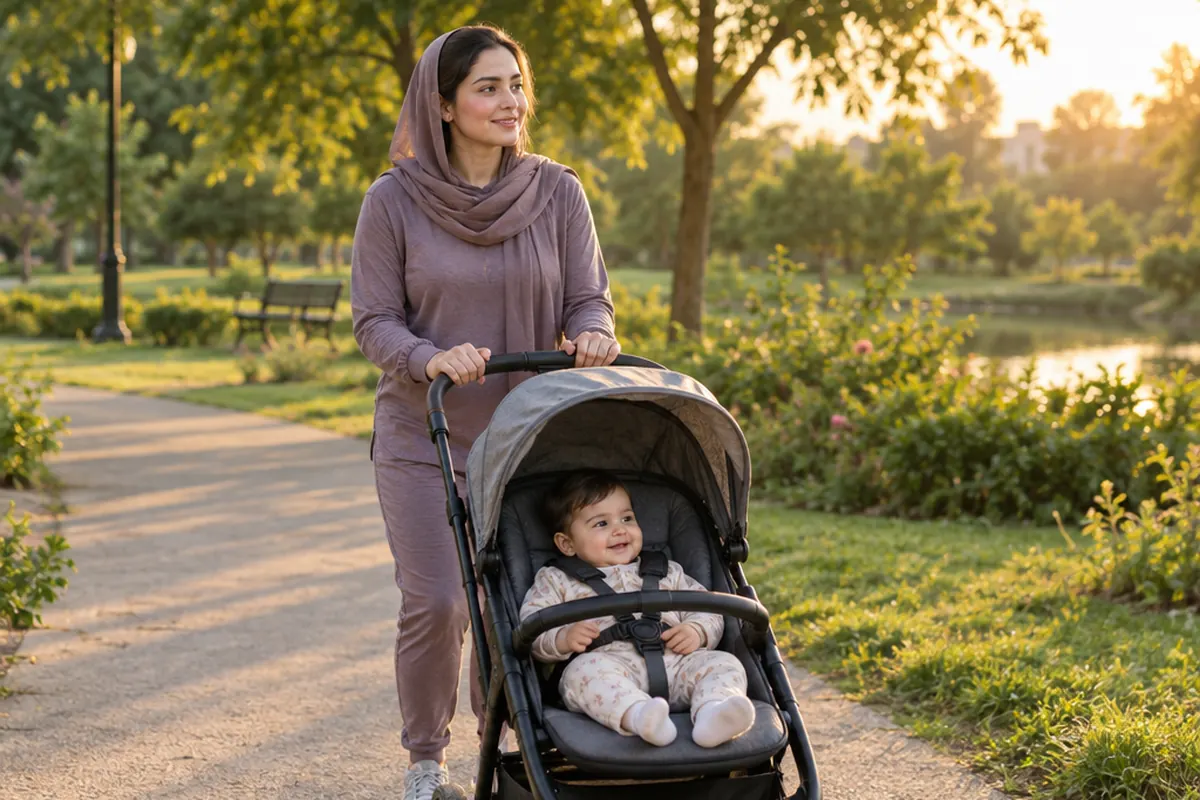
A daily brisk walk, especially after meals, improves blood sugar and mood. Many of our patients enjoy an evening walk in their neighbourhood or local park.
4. Guard your sleep
Keep a regular bedtime, limit screens and heavy meals late at night, and talk to a doctor if hot flushes or night sweats keep waking you.
5. Adjust portions, not your whole life
Smaller portions of rice, roti and sweets, less oil in cooking and less sugar in chai make a real difference. Our desi diet plan shows how.
6. Get a medical check
A doctor can check your thyroid, blood sugar, cholesterol, liver, vitamin D and B12, and talk through menopause symptoms and treatment options such as hormone replacement therapy (HRT). Dr. Alia Qaisar has a special interest in women's health and menopause care, alongside weight management. Learn more about Dr. Alia.
Can medication help?
For suitable adults who have not lost weight through lifestyle changes alone, GLP-1 based medicines can help by reducing appetite. They are prescribed only after a full assessment, and are not a replacement for protein, strength training and sleep. See our guide to weight loss injections in Pakistan.
Frequently asked questions
Why am I gaining weight during menopause even though I eat the same?
Falling oestrogen, muscle loss and poorer sleep reduce the calories your body needs and shift fat to the tummy. The same diet can therefore lead to gradual weight gain.
Does HRT cause weight gain?
HRT itself is not generally considered a cause of weight gain. By easing symptoms such as poor sleep and hot flushes, it can make it easier for some women to stay active. Whether HRT suits you is a decision to make with a doctor.
What is the best exercise for weight loss after 40?
A combination works best: brisk walking most days, plus strength exercises two or three times a week to protect muscle and bone.
Is it harder for men to lose weight after 40?
It can be, due to muscle loss, lower testosterone and a busier lifestyle. The same principles of protein, strength training, sleep and a medical check apply.
The bottom line
Midlife weight gain is common, but it is not inevitable, and it is not your fault. With the right plan and medical support, it is very possible to feel strong and healthy again. Book a consultation or explore our weight loss packages to get started.
Topic: Women's health

Written by the AQ Wellness team
AQ Wellness is a doctor-led weight loss service led by Dr. Alia Qaisar, a UK-certified Family Medicine Consultant with more than 20 years of experience in the UK, Dubai and Pakistan. About Dr. Alia